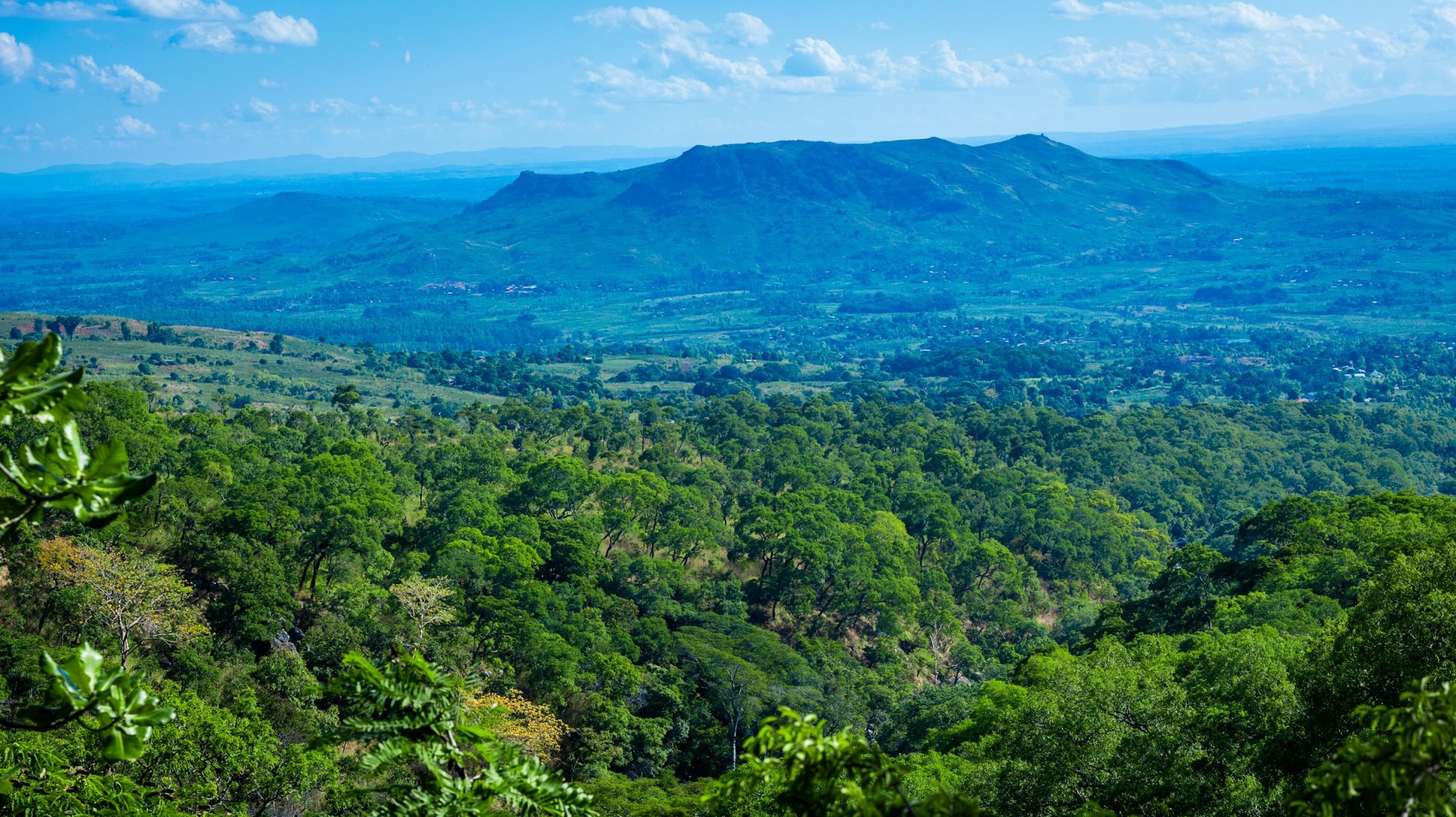
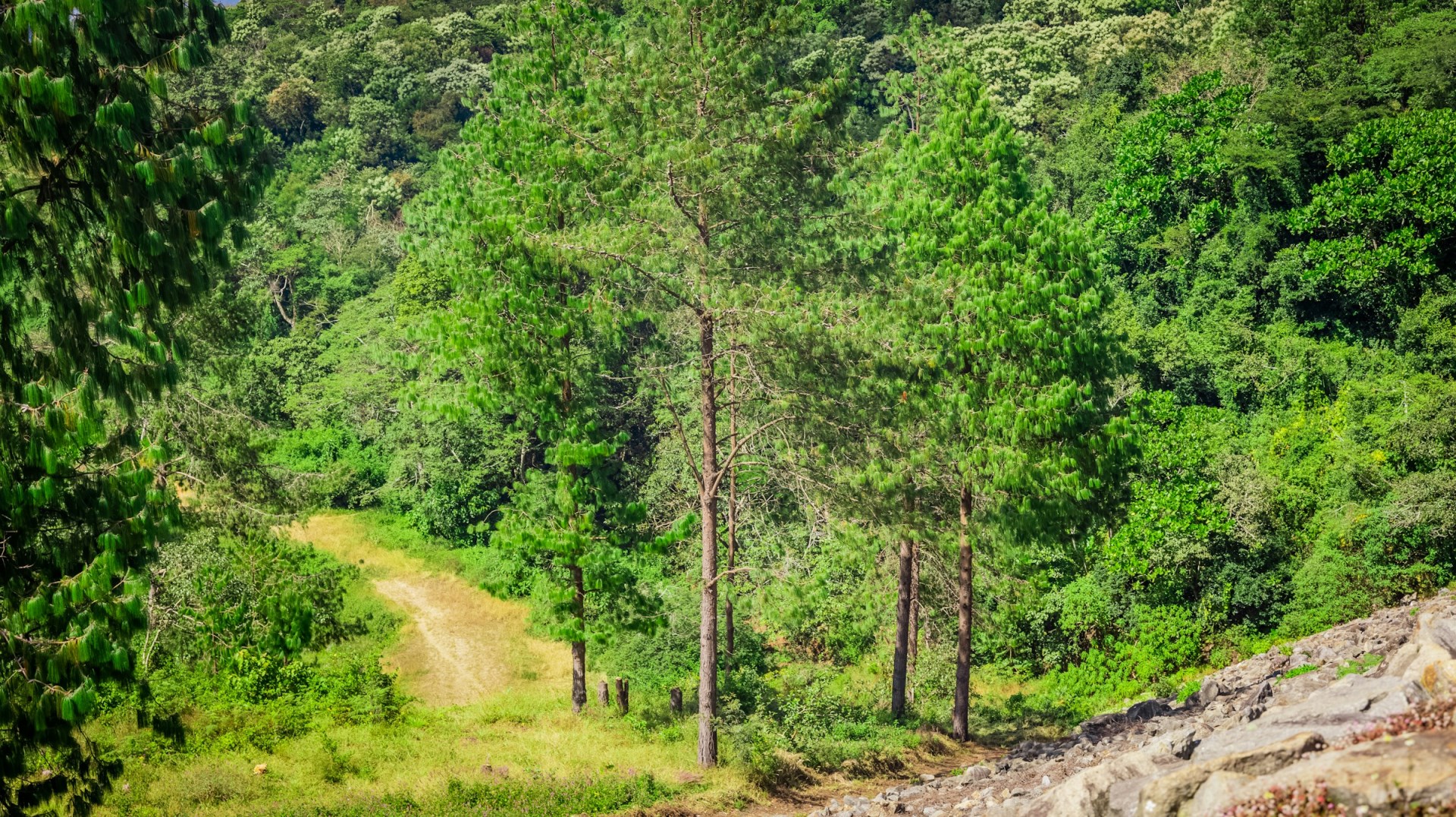
Zomba is a city in southern Malawi situated at the foot of the Zomba Plateau, a large mountain massif rising above the surrounding Shire Highlands. The city is known for its tree-lined streets, cooler climate, and access to forested mountain landscapes. Zomba Plateau dominates the local scenery, with steep slopes, streams, waterfalls, and broad viewpoints overlooking the plains below. The city has long served as an administrative and educational center, while nearby farmland supports tea, coffee, fruits, vegetables, and other crops. Its location between mountain and lowland environments gives Zomba a distinctive setting in southern Malawi.
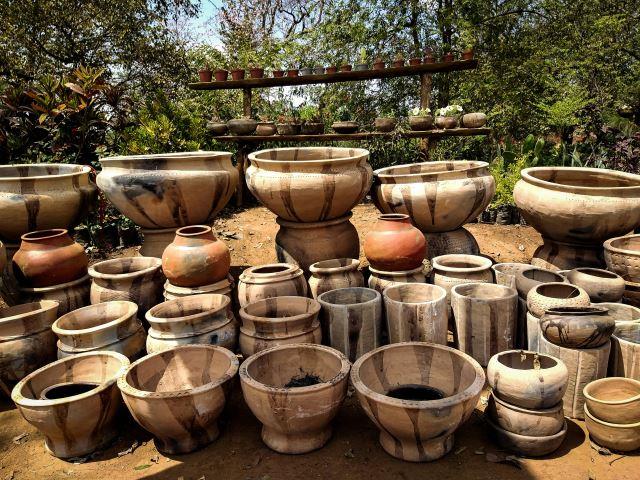
Zomba has an important place in Malawi's political and educational history and retains several buildings associated with its former administrative role. The city is home to the University of Malawi's Chancellor College campus, making education an important part of local life. Traditional villages in the surrounding area reflect the cultures of southern Malawi, where farming, family networks, music, and community ceremonies remain central. Local markets provide agricultural produce and handmade goods, while the city's older neighborhoods contain colonial-era buildings alongside more recent development. The result is a city where institutional history and everyday Malawian life exist side by side.
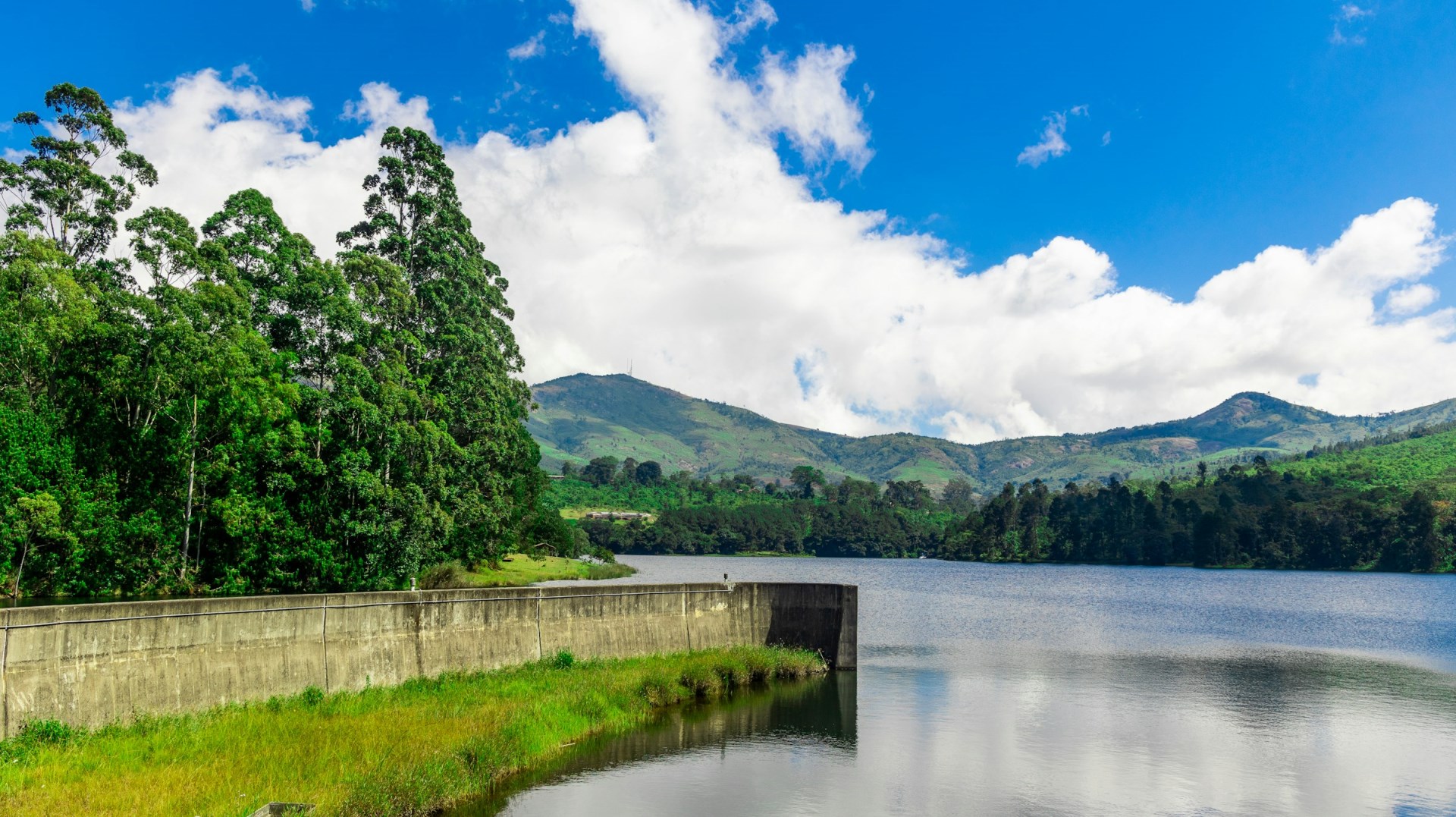
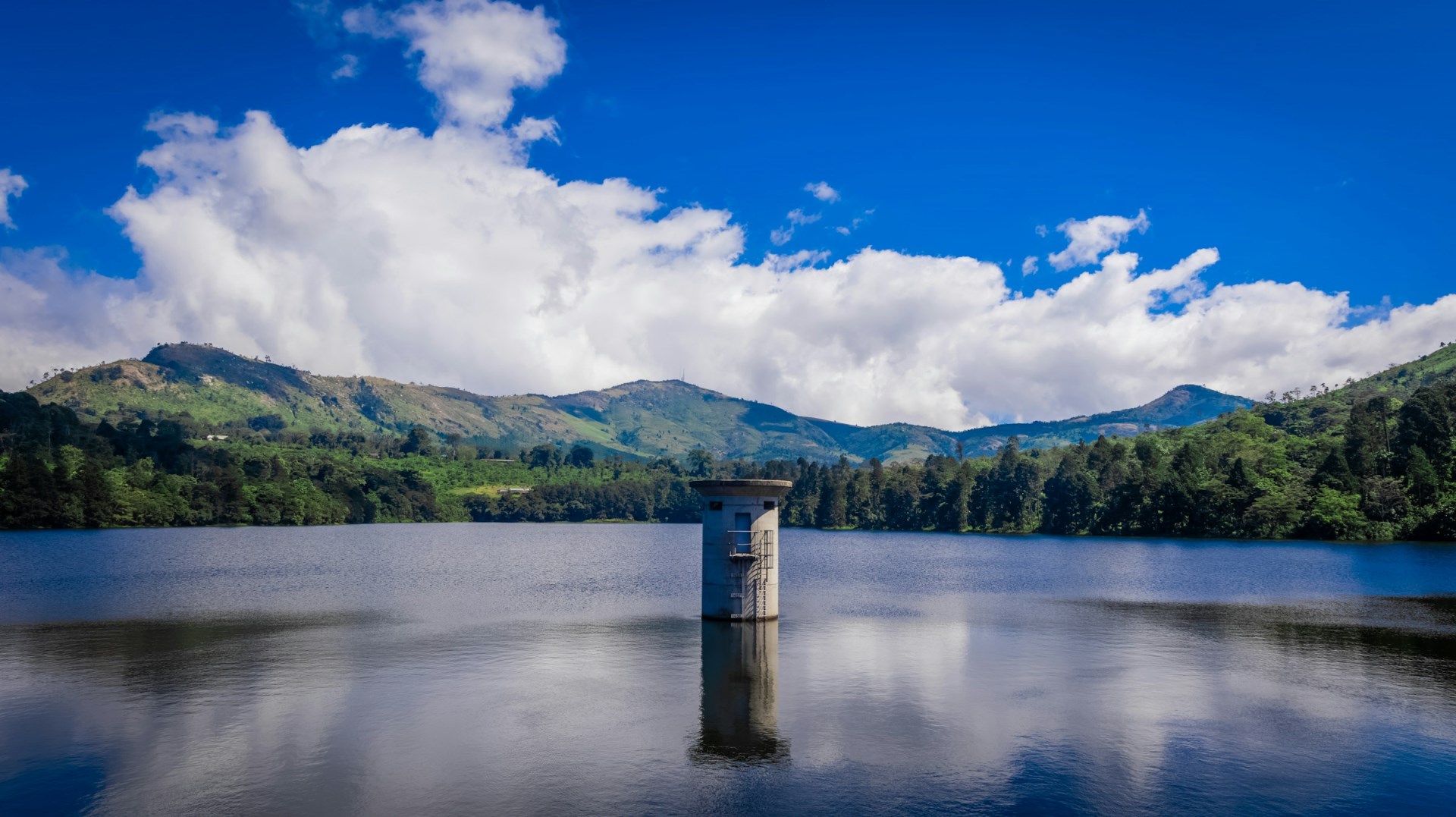
Zomba Plateau is the area's main natural attraction, with walking routes leading through miombo woodland, evergreen forest, grassland, and rocky terrain. The plateau includes viewpoints such as Queen's View and Emperor's View, which overlook the surrounding countryside on clear days. Mulunguzi Dam sits within the mountain landscape, while Mulunguzi Falls and nearby streams add to the area's network of wooded valleys and watercourses. The plateau also supports birdlife and small mammals, and its higher elevations provide a cooler environment than the plains. Hiking, birdwatching, and scenic drives are common ways to explore the mountain.
Zomba's food reflects the agricultural production of southern Malawi, with maize, cassava, beans, vegetables, fruits, and fish forming important parts of the local diet. Tea and coffee are produced in the wider southern highlands, while fresh produce from surrounding farms appears in city markets. The Zomba Plateau's forests are also an important water source, feeding streams that supply the surrounding landscape. A notable local feature is the contrast between the busy city below and the quieter mountain environment above it. This close relationship between urban life, agriculture, and the forested plateau defines much of Zomba's character.
Other Popular Destinations in Malawi